Timber Hills Lake Ranch
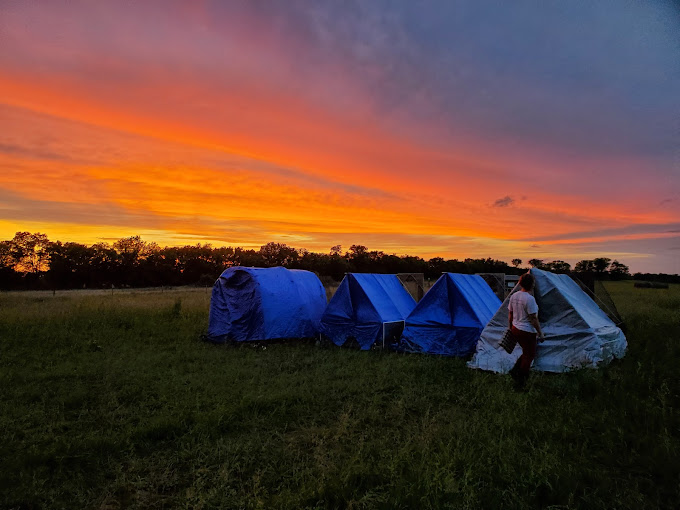
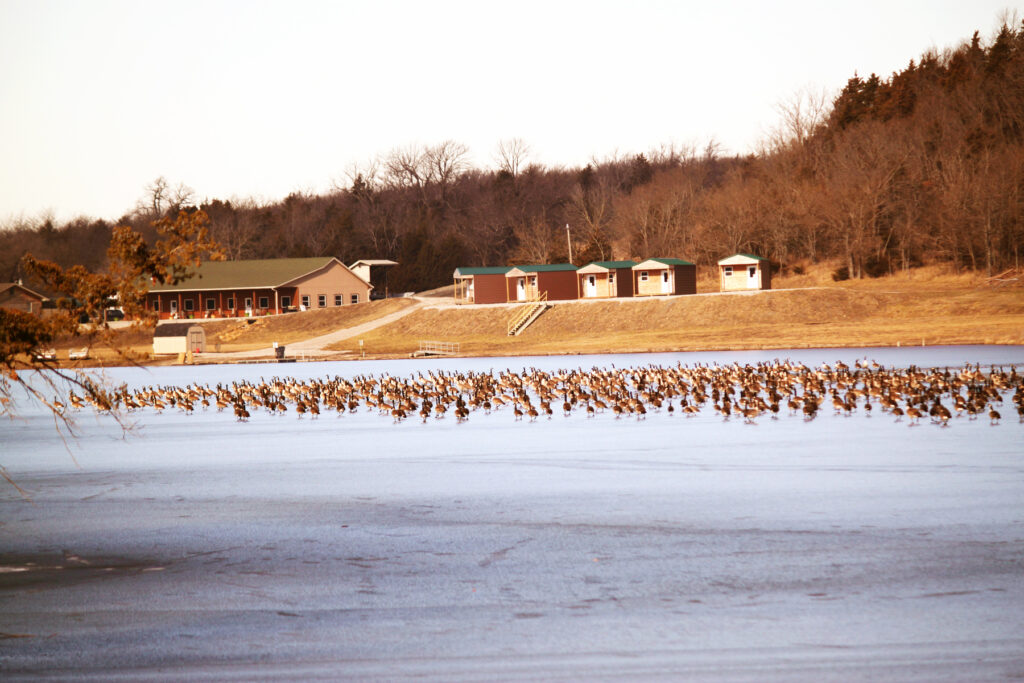
A 1,500 acre preserve for hunting, fishing and recreation. Hunt whitetail deer, buffalo, elk, turkey, duck or geese.
Timber Hills Lake Ranch Read More »
A 1,500 acre preserve for hunting, fishing and recreation. Hunt whitetail deer, buffalo, elk, turkey, duck or geese.
Timber Hills Lake Ranch Read More »
Bourbon County Fair Grounds Rodeo July 8-9, 2022 Fair July 18-22, 2022 The Bourbon County Fair Board Welcomes You!The Bourbon County Fairgrounds are alive year-round with a full schedule of exciting events for all interests! From the signature Bourbon County Fair and Pioneer Harvest Fiesta events to year round camping in the Fort Scott area to the many other agricultural, college related and civic events. Take advantage of our year-round camping facilities too. The Bourbon County Fair is looking forward to another exciting year, so be sure to check out our Events Calendar page. CAMPING Electric hookup is $20 per night / per unit. There are 93 camping electric outlets total (11 x 50-amp., 62 x 30-amp., 20 x 20-amp. outlets). Free RV dump station. Water is available on the grounds. There are also 2 on-site buildings available for rent, one with full kitchen facilities.
Bourbon County Fair Read More »
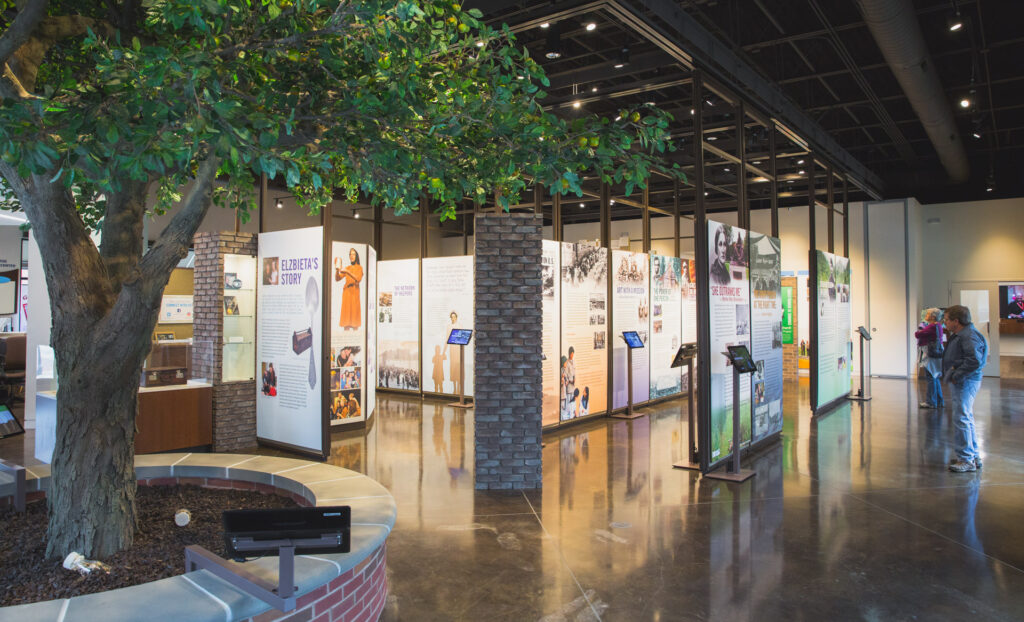
History Open Monday – Friday 10AM – 4PM Lowell Milken Center for Unsung Heroes works to transform classrooms and communities through student-driven projects that discover Unsung Heroes from history and teach the power of one to create positive change. unsung hero (n) : one who created positive change in history by improving the lives of others, and has yet to be recognized for his or her actions The Lowell Milken Center works with students and educators across diverse academic disciplines to develop history projects that highlight role models who demonstrate courage, compassion and respect. Through our unique project-based learning approach, students discover, develop and communicate the stories of Unsung Heroes who have made a profound and positive impact on the course of history. By championing these Unsung Heroes, students, educators and communities discover their own power and responsibility to effect positive change in the world. An incubator of educational innovation, the Lowell Milken Center provides tools, resources and ongoing support for students and educators who are engaged in the development of Unsung Heroes projects. Project participants conduct primary research and interviews to DISCOVER and develop an Unsung Hero’s story through an interactive learning process that cultivates critical-thinking, problem-solving and leadership skills. They then CREATE ways to share the story, including student-driven plays, documentary films, websites, museum exhibits and more. Ultimately, Unsung Heroes projects help create lasting CHANGE in attitudes and behaviors within classrooms, schools and communities across the U.S. and throughout the world. With a commitment to excellence in education, the Lowell Milken Center champions and empowers educators, whose impact on students can last a lifetime. The prestigious LMC Fellowship brings together the nation’s top educators—each with the potential for 10-20 more years in the classroom—for robust professional development that deepens their understanding of project-based learning and Unsung Heroes. Further, our Center staff lends expert support to educators engaged in Unsung Heroes projects across America and globally. The Lowell Milken Center is headquartered in Fort Scott, Kansas, where our exhibition space provides visitors with a dynamic learning experience of Unsung Heroes throughout history. The Lowell Milken Center has reached over 1,000,000 students in more than 10,000 schools in all 50 states, with growing global reach. Lowell Milken Center host a performance of Life in a Jar in remembrance of Irena Sendler’s great deed.
Lowell Milken Center for Unsung Heroes Read More »
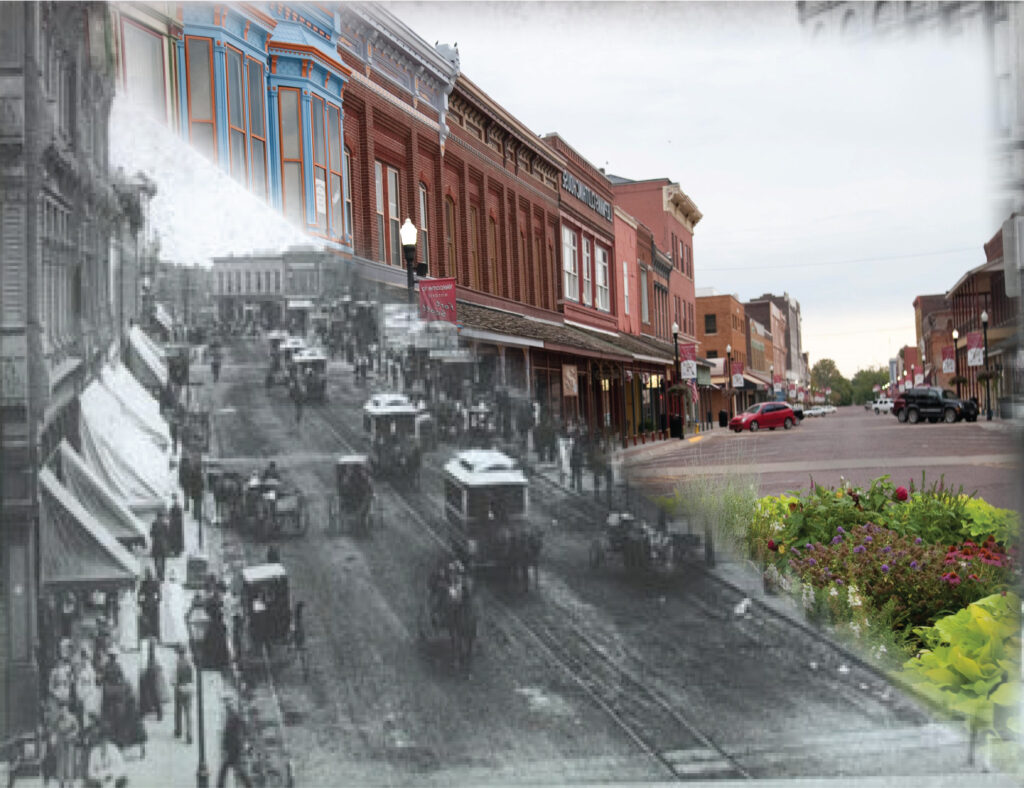
Historic Downtown Fort Scott Walking Tour has many great places to experience! MILROSE BLOCK This corner block—known historically as the “Milrose Block”—is a representative example of early 20th-century commercial architecture in Fort Scott. Its storefronts once hosted local businesses that fueled downtown’s growth, and its masonry and design tie it to the era when Fort Scott embraced brick construction. MCDONALD HALL Once the home of commerce and community life, McDonald Hall is a two-story stone block that anchors Fort Scott’s downtown. As part of the National Historic Register district, it now houses The Kitchen Collective + Collaborative, a shared commercial kitchen, event space, and retail incubator. TREMONT HOTEL / SLEEP INN The Tremont Hotel closed its doors in 1910, and was later torn down. Now, more than 100 years later a new hotel stands in its place with a new trolley out front. Sadly not every piece of history can be saved, but in Fort Scott we continue to honor our past while embracing our future. FORT SCOTT BRICKS At the turn of the twentieth century, Fort Scott was home to three brick factories. These businesses produced 10,000 bricks weekly. Fort Scott bricks were used in the construction of the Indianapolis Speedway, the Panama Canal and many roads in Kansas, Missouri and Texas. Today you can see these bricks in over 14 miles of our city streets and many of our beautiful homes. THE MO, KS & TX RAILROAD FREIGHT DEPOT After the Civil War, Fort Scott was a premier city of the frontier, and one of the largest cities in eastern Kansas. On three different occasions, between 1870 and 1900, Fort Scott was in competition with Kansas City to become the largest railroad center west of the Mississippi. This is Fort Scott’s last remaining depot, originally built in 1870 near the Marmaton River, it was later moved from the floodplain to its current location in 1997. SCOTTISH RITE TEMPLE Erected in 1926, the Scottish Rite Temple was a fulcrum of fraternal and social life in Fort Scott, boasting an auditorium, dining hall, and impressive architectural details. Although the Valley of Fort Scott Scottish Rite no longer meets here, new restoration efforts are underway to revive this grand structure for future use. MEMORIAL HALL Dedicated to the “men and women who gave their lives serving our country in World War I,” Memorial Hall has stood as a civic landmark and gathering place. Its centennial was recently observed, and it continues to serve as a poignant reminder of local sacrifice and memory. FORT SCOTT LIBRARY In its present home since 1904, the Fort Scott Public Library is among Kansas’s original Carnegie libraries. Its establishment followed Eugene Ware’s 1891 donation and a citizen vote to found a free library. After a 2016–17 renovation, the library continues to serve as a modern hub for knowledge, community, and learning. THE COURTLAND HOTEL & SPA The Ohio Block/Hornaday-Howard Building was a former railroad hotel, turned historic inn, built in 1906. The original owner of the hotel placed a schooner ship on the roof after he fell in love with it during the annual Christmas Parade. Though the ship was eventually removed, the hotel still offers all the charm of the early 1900s. LIBERTY THEATRE The theatre once occupied what was originally built as a commercial structure,. In 1919 it opened for its first show as a single screen theater with a balcony. The Liberty has now been fully restored and is used for live entertainment and special events. THE LOWELL MILKEN CENTER FOR UNSUNG HEROES In 2005 a fire blazed through our historic downtown, destroying several century-old buildings. The Lowell Milken Center, which was previously located across the street was looking for a new facility, and this site became the perfect location for the growing museum. Now, more than 10 years later, people from all 50 states and 96 foreign countries have visited the Hall of Unsung Heroes.
Historic Downtown Fort Scott Walking Tour Read More »
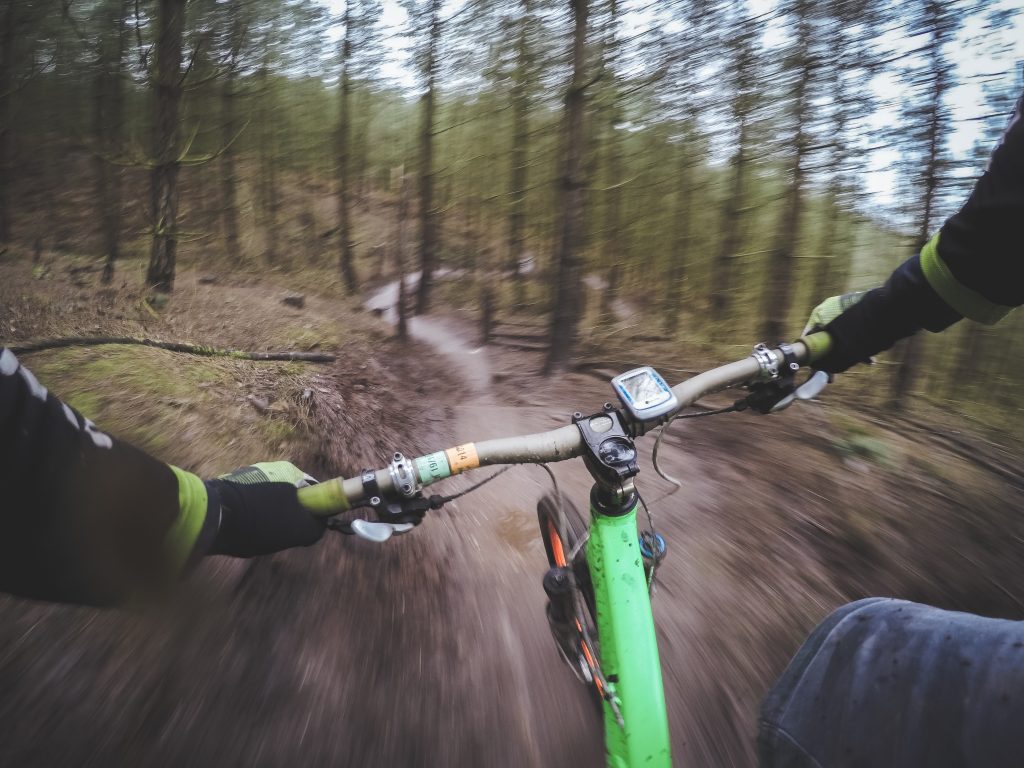
Gunn Park Trails Gunn Park Trails is family friendly! The first half of this trail is winding, flat, or downhill riding which most kids with some off road experience would love! Mountain Biking, Hiking, Camping Overview This trail is worth the drive and camp-out opportunity! The downhill section is great, the flowing flat area by the river is relaxing, the climbing and switchbacks will teach balance and skill…it’s a great all around trail providing enough challenge to keep experienced riders focused, while allowing the beginners to learn. Description Specific trail names come from the frontier era when Fort Scott played a role in the westward expansion, as well as the Civil War. Gunn Park Trails has been described as having two personalities, or themes, with fast flowy trails, as well as challenging bench cut areas. Although there are several trailheads throughout the park, most rides start on the Bleeding Kansas Trail (North Loop), at the trailhead adjacent to the main gate of the park, and proceed counter-clockwise through Little Big Horn (West Loop), to The Dragoon Slayer (South End), and end on Custers Last Stand (Exit Trail). The Bleeding Kansas Trail begins with bench cut trails, into the Marmaton River bottoms, where the trail becomes fast and flowy, running adjacent to the Marmaton River. Trail features include a few log climbs, gravity drops, small bridges, and scenic views of the river. Crossing the natural limestone overflow, takes you into The Little Big Horn Trail, where the fast, flowy theme continues into the most remote sections of the park. Keep your eyes open for the deer, turkeys, foxes, etc., that reside in these areas. The Little Big Horn exits into the park, adjacent to the river spillway. Follow the road south for approximately 150 yards before diving into The Dragoon Slayer. Named because of the climbing involved, this trail is not recommended for newbies. Trails features include a couple of bridges, slow narrow climbs, followed by a narrow, bench cut descent that will make your heart beat faster. The Dragoon Slayer flows immediately into Custers Last Stand, which is also the final section. This section includes the original set of rogue trails, with a couple of short downhills, creek crossings, as well as some climbing and descending switchbacks. The last climb will drop you in the parking lot. History & Background Gunn Park was gifted to the City of Fort Scott in 1910 by the W.F. Gunn Family. With two small lakes, seven shelter houses, a well maintained campground, 18-holes of disc golf, and most recently the addition of Gunn Park Trails, it is the pride of Fort Scott and the envy of most small towns. Gunn Park Trails were started in 2009 by a local citizen, bored with road riding, and without permission from the City, who decided to build and completed 1.5 miles of riding trails in the woods. After a year of working with the City for permission, a small group of volunteers completed the additional 5 miles in just over two years, and have since hosted numerous trail events, including the Marmaton Massacre/The 2015 Kansas State MTB Championship, as well as their annual Tri-Yak-A-Thon, where participants run 4 miles, kayak for 2.5 miles on the river, and ride 6.5 miles of trails, either solo or as a relay team. Learn more about Gunn Park
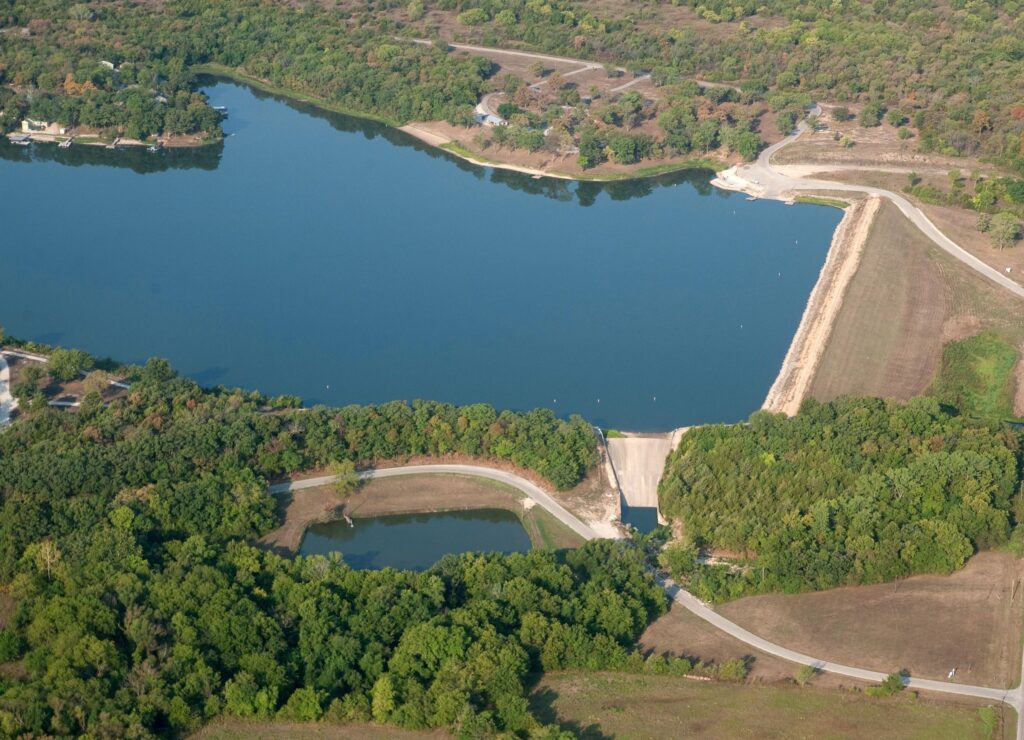
Nestled in a lush, heavily wooded, and rural setting teaming with wildlife, the 352-acre Fort Scott Lake provides residential living as well as public boat loading ramps for fishermen and water-skiers with restricted areas for all three. Features: Lake Fort Scott features lakeside campsite areas, shelter houses, and picnic areas available to residents and visitors. The lake is also the site of annual sailboat regattas for the Fort Scott Sailing Club and serves as a reservoir for city and rural water systems. Fishing: The lake provides many hours of recreation for anglers and is stocked annually with: Blue Gill Channel Cat Crappie Muskie Small Mouth Bass Walleye
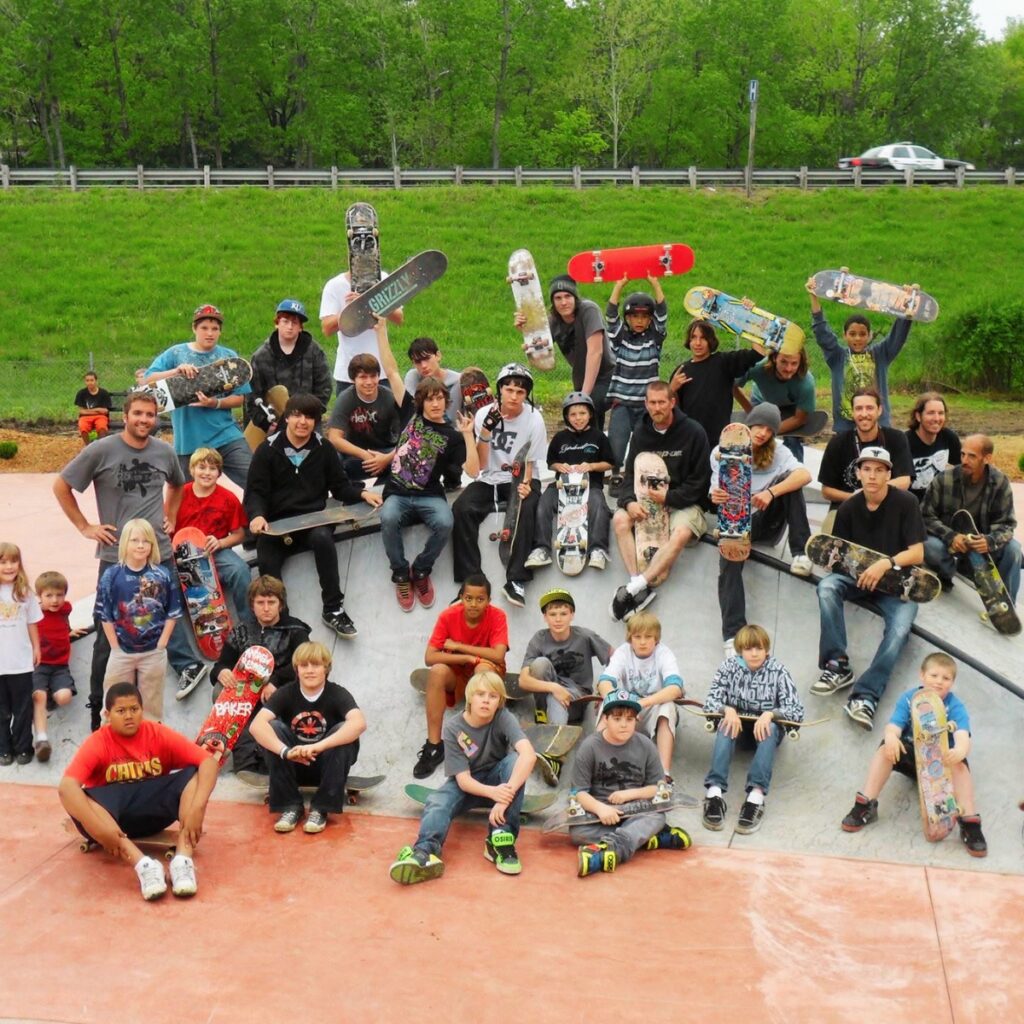
A first class park for skateboarders. Perfect for beginners through expert!
Tedesco Memorial Skatepark Read More »
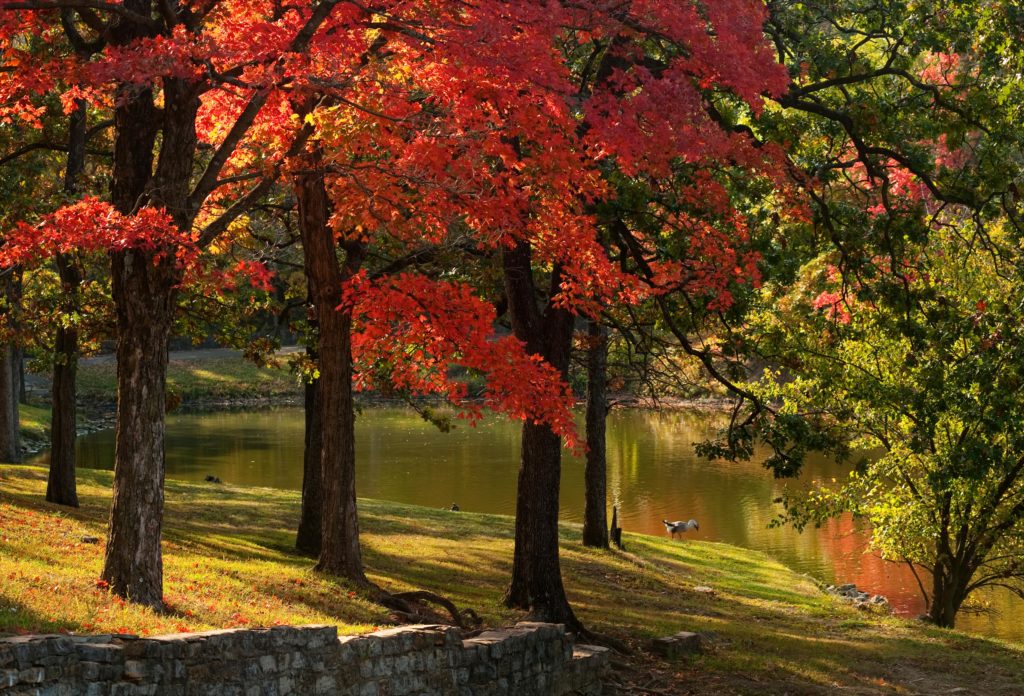
Gunn Park, the state’s largest municipal park is a beautiful 155-acre recreation area that features seven shelter houses, two lakes for fishing and multiple playground areas! Camping Sites First come, first served for camping sites. No reservations. There are 10 camping sites available with electricity and water. All spots are 50 amp, with water hookups. Primitive tent camping is also available. RV campsites are $20/ night. Tent campsites are $5. Payment drop box is on the premises. Maximum stay is 14 days. Additional Camping sites Bourbon County Fairgrounds 2102 Huntington Blvd, Fort Scott (across from Fort Scott Community College) Electric hookup is $20 per night/per unit There are 93 outlets total (11 50-amp., 62 30-amp., 20 20-amp. outlets) Free RV dump station. Water is available on the grounds 2 on-site buildings available for rent, one with full kitchen facilities Disc Golf The Gunn Park Disc Golf Course is an 18-hole mix of wooded areas and open fairways featuring Mach III targets. The course is challenging and fun to play. The Gunn Park Open Tournament normally happens twice each year, in April and September. Another smaller disc golf course is located at the Fort Scott Middle School. Fishing Two fishing lakes available at Gunn Park From October 15th to April 15th, Fern Lake is stocked with trout. A Kansas fishing license and a trout license is required Fishing Permit – A State of Kansas fishing license is required for anyone over the age of 16 years old. Playgrounds There are several playground areas located throughout the park with updated equipment. Trails Approximately, 6.5 miles of single track, mountain bike trails have been added in the timber, and along the Marmaton River. These trails provide adventure and exercise for mountain bike riders, trail runners as well as hikers. Shelter Houses Gunn Park has 7 shelter houses, 4 are enclosed shelters and 3 are open shelters. Shelters can be reserved at City Hall. History June 3, 1910 – WC. Gunn gives Fern Lake and the Stewart Farm to the City of Fort Scott for a park. The first shelter house of stone was built in 1910 on the first lake (Fern Lake). There was a large wood theater building on the other side of Fern Lake with a seating capacity of 800. During special events such as July 4th, the street cars would take as many as 10,000 people to the park in one day.